On 24 March 2026, the National Council of Provinces – the upper house of South Africa’s Parliament – approved the Draft Notice Prohibiting Certain Activities Involving African Lions. It was a moment that deserved more than a line in an order paper.
For those who have spent years documenting the suffering that flows from South Africa’s captive lion industry, this parliamentary milestone carries real weight. What has long been contested in courts, lobbied against in committee rooms, and dismissed as impractical by commercial interests has now been endorsed, with notable unanimity, by the country’s provincial representatives.
The NSPCA welcomes this decision unreservedly.
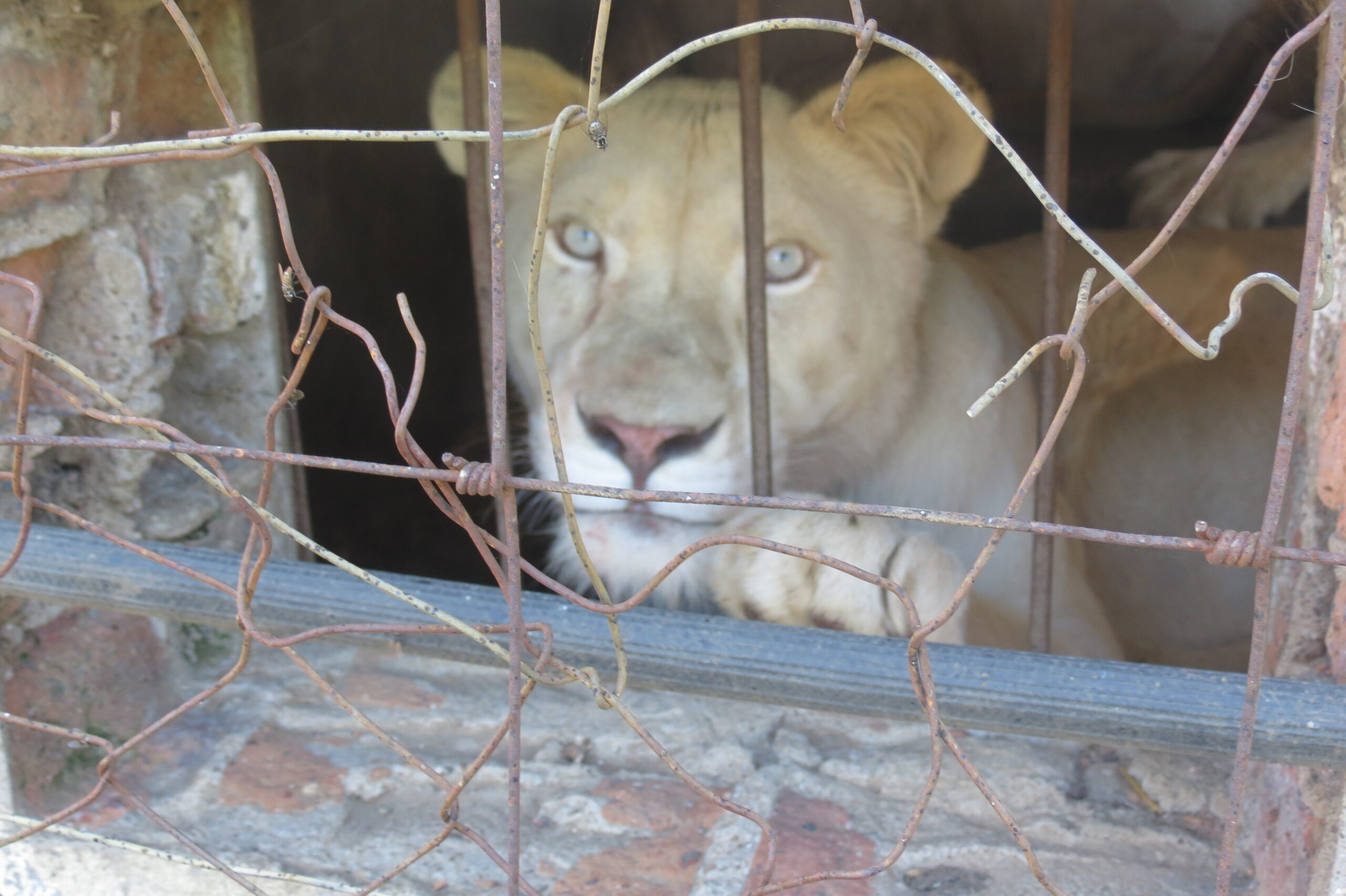
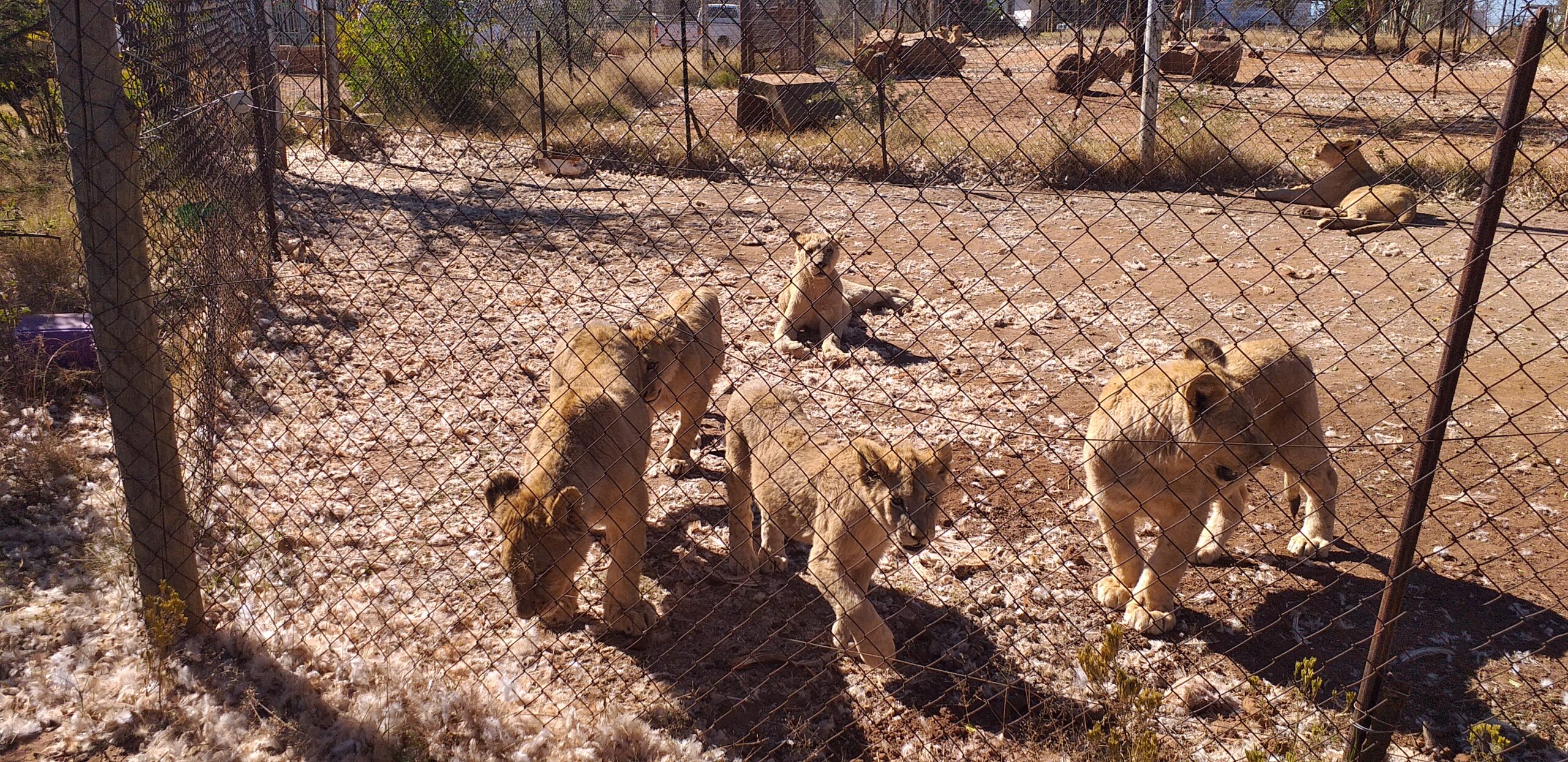
South Africa has, for too long, occupied a deeply uncomfortable position on the world stage. We are home to an estimated 8,000 to 12,000 captive-bred lions held across more than 350 facilities — a figure that dwarfs our wild lion population and stands as a mark of industrial-scale exploitation dressed up as conservation. These animals are bred into a system designed to extract value at every stage of their lives: from cub petting and walking-with-lion tourism to trophy hunting and, ultimately, the export of their bones to feed demand in Asian traditional medicine markets.
The argument that this industry supports livelihoods or contributes meaningfully to conservation has never withstood serious scrutiny. Captive-bred lions cannot be released into the wild. They serve no population recovery function. A peer-reviewed study published in 2025 found no solid evidence that breeding lions in captivity benefits wild populations, and warned it may be doing the opposite. The “conservation” label applied to these operations has always been a commercial fiction, and one that has cost South Africa significant reputational damage in international wildlife governance forums.
What the NCOP vote reflects is something more significant than regulatory housekeeping. With unanimous provincial support, Parliament has approved a notice that prohibits the establishment of new captive breeding facilities — a clear signal that the political consensus around this issue has shifted in ways that industry interests will find difficult to reverse. That shift did not happen overnight. It is the result of sustained pressure from civil society, welfare organisations, scientists, and members of the public who refused to accept that the exploitation of lions was simply the cost of doing business in South Africa.
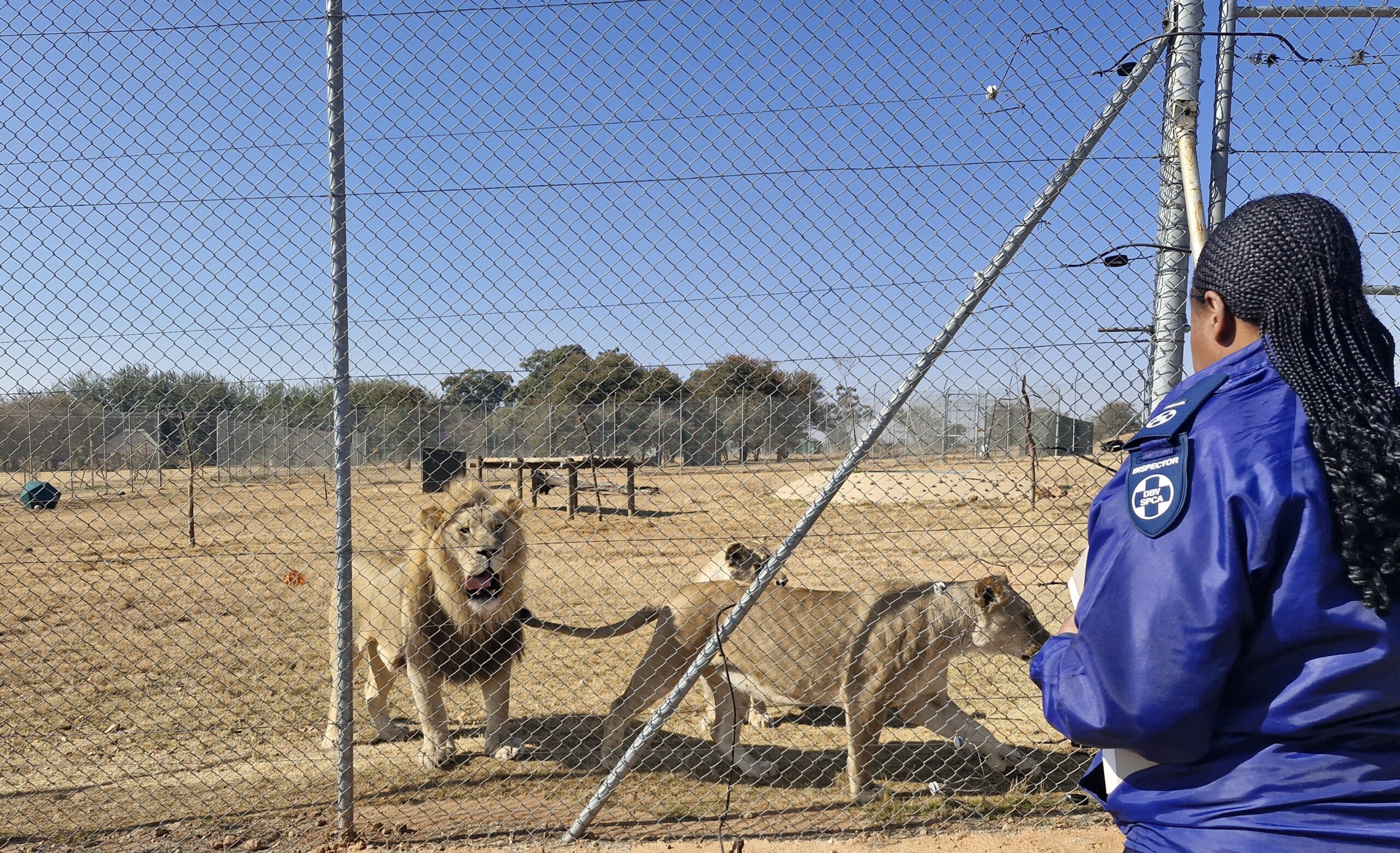
The NSPCA also acknowledges the path that led here. In April 2024, the Ministerial Task Team on Voluntary Exit Options and Pathways from the Captive Lion Industry released Cabinet-approved recommendations that included the incineration of all known lion bone stockpiles and a commitment to end captive breeding for commercial purposes in the medium term. These were not the recommendations of activists. They were the considered findings of a government-appointed body following extensive public consultation. The NCOP’s approval of the Draft Notice is a meaningful step toward honouring those commitments.
But it is only a first step. The Notice prohibits new facilities. It does not yet dismantle the existing infrastructure of captive lion breeding and commercial trade. As recently as December 2024, the South African Predator Association filed a High Court application seeking to reinstate a lion bone export quota — a reminder that industry opposition remains organised and litigious. For this decision to mean what it should, Minister Willie Aucamp must gazette the Prohibition Notice without delay and must commit to the full phase-out of captive lion breeding and trade for commercial purposes, as the Cabinet-approved policy position requires. Approving a notice and enacting it are not the same thing, and the NSPCA will be watching closely to ensure that the distance between the two is closed.
The NSPCA will continue to monitor developments on the ground, and hold government to the commitments it has made.
What happened on 24 March was significant. A country once defined internationally by its captive lion trade has taken a formal, legislatively-backed step toward ending it. That progress must now be protected, completed, and made permanent.
The lion is not a commodity. It never was. Parliament has agreed.
The National Council of SPCAs is South Africa’s leading animal protection organisation, operating under the Societies for the Prevention of Cruelty to Animals Act, 1993.
If you are as passionate about animals and their well-being as we are, consider supporting our causes by donating.
Latest News Posts
Will You Be the One Who Takes Action?
Most people will scroll past this. But will you be the one who stands up for animals?
Animal welfare isn’t always in the spotlight, but it changes lives – for every neglected, abused, or suffering animal we help. Our teams work tirelessly, often behind the scenes, ensuring animals across South Africa are protected.
This work is relentless. The challenges are immense. But with more hands, hearts, and resources, we can do even more.
The equation is simple: the more supporters we have, the greater our reach, the stronger our impact.
Be part of the change. Become an NSPCA Project Partner today. From just R50 per month, you can help ensure that no animal suffers in silence.