The National Council of SPCAs (NSPCA) has seized three Bengal tigers, and a serval from a captive predator breeding facility in the North West. Two tigers were kept in an enclosure filled with faeces and decomposing carcasses, and the third tiger and serval require veterinary attention due to injury.
After an inspection by its Wildlife Protection Unit on Wednesday, 14 October 2026, the NSPCA removed the animals under warrant on Thursday, 15 October 2026 alongside a wildlife veterinarian and Groot Marico SAPS. They are now at a suitable place of safety, where they will receive further veterinary assessment and care.
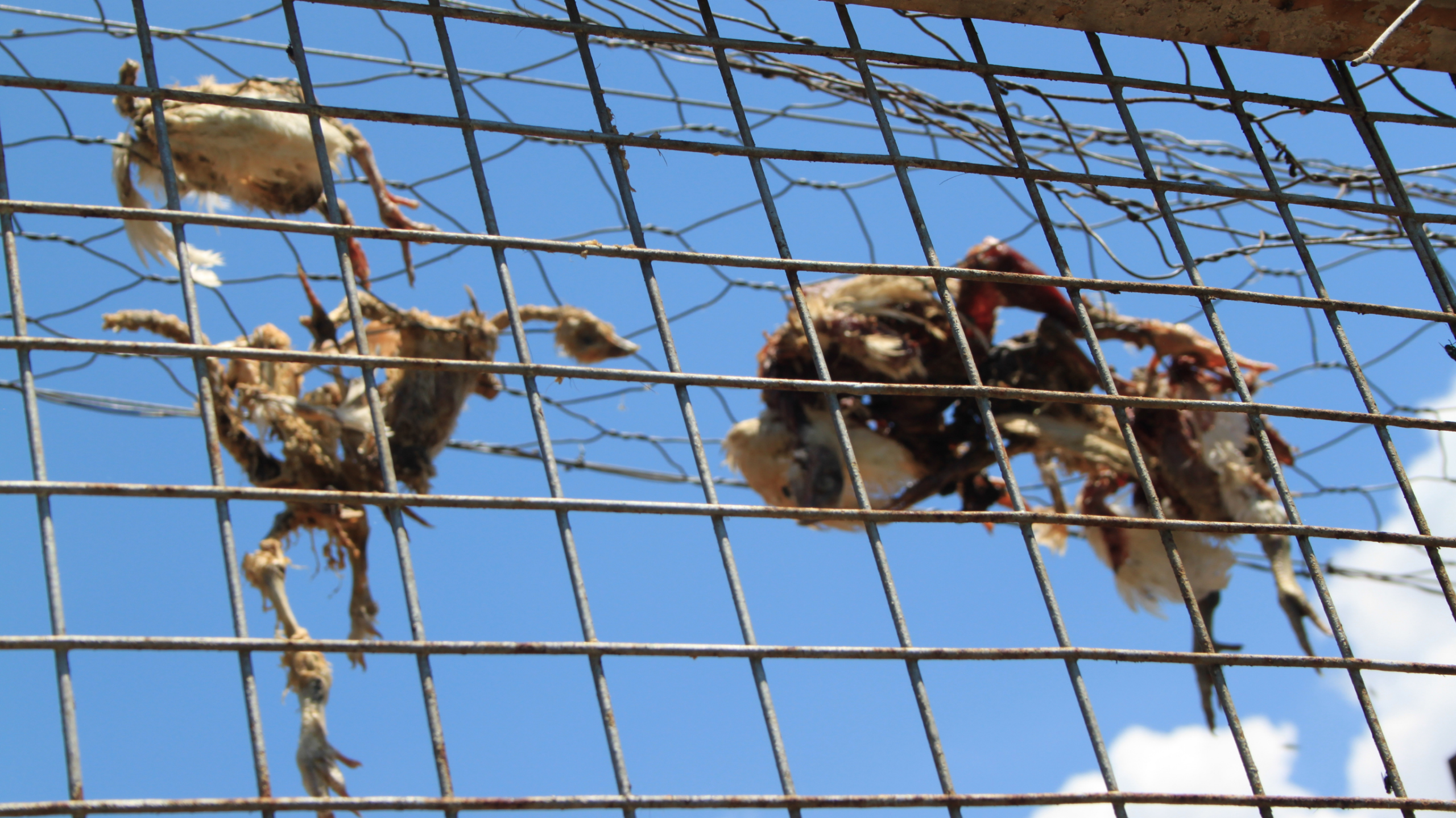
The two tigers’ enclosure held large quantities of fresh and old faeces, along with decomposing remains of their food, including old bones, feathers, and chicken carcasses. It has no management camp, which is a separate holding area that keeps animals contained during cleaning. The tigers had no adequate shelter, no enrichment, and insufficient potable water.
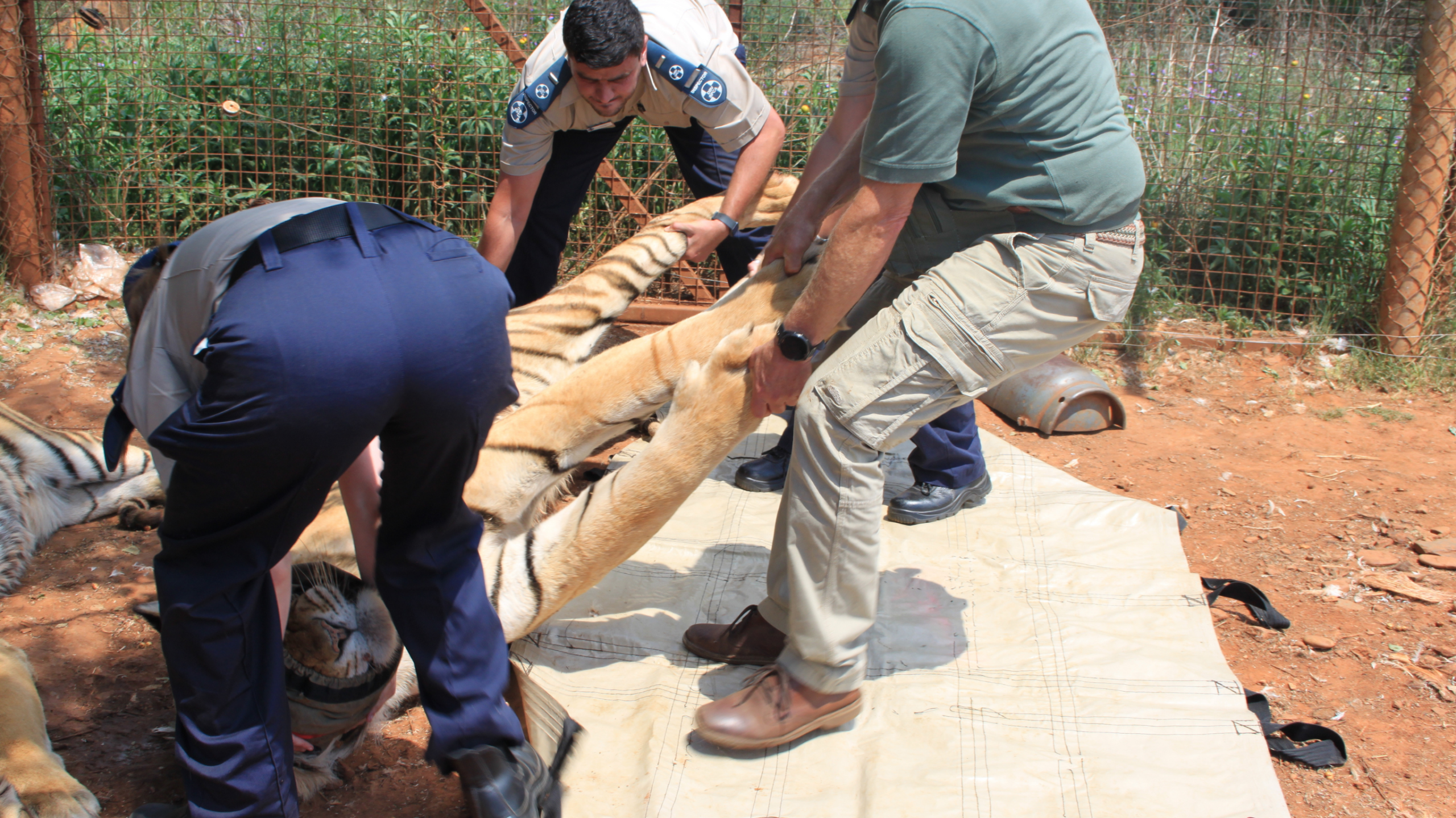
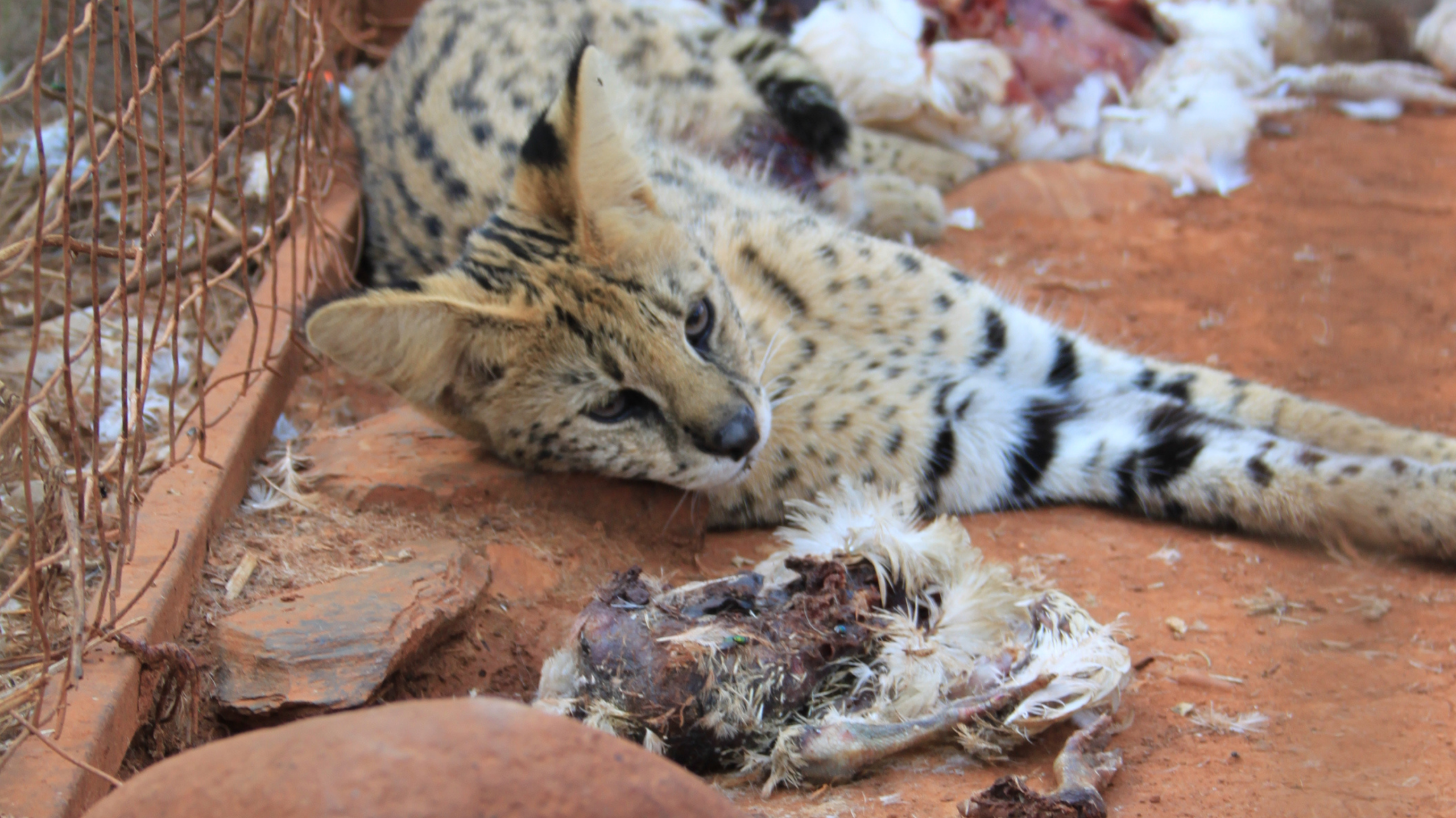
The third tiger was limping severely, without any proof of veterinary care. The serval has a large, untreated wound on its right hind leg.
The facility houses indigenous and exotic animals. Enclosures across the facility are too small for the number of animals kept in them. There is no functional cold storage for meat, and the animals are fed the carcasses of cattle and chickens who died. Several lions and a leopard are obese, with no evidence of vitamin and mineral supplementation. Lions and tigers in neighbouring enclosures fight through the fencing, exposing them to stress and the risk of injury.
During an earlier inspection, Inspectors found the decomposing remains of lions and crocodiles on the property. They reported this to the North West Department of Economic Development, Environment, Conservation and Tourism (DEDECT), which issued the facility’s permit. In June 2026, during an inspection with a DEDECT official, the owner confirmed that the electric fencing around the predator enclosures had not worked since 2021. The official noted this contravened permit conditions.
In 2019, the High Court in National Council of the Society for Prevention of Cruelty to Animals v Minister of Environmental Affairs and Others (2020 (1) SA 249 (GP) held that authorities making decisions must take animal welfare into account, even where the welfare mandate rests with another body. The NSPCA expects DEDECT to apply that principle when considering whether this facility’s permit should remain in place.
“No animal should be kept in conditions like these,” said Chief Inspector Douglas Wolhuter, Manager of the NSPCA’s Wildlife Protection Unit. “This matter is a textbook example of why the NSPCA opposes the captive predator industry, in which animals’ well-being is inherently compromised for the sake of profit.”
With local and international pressure on the captive lion industry, tigers and other exotic species are increasingly taking the place of lions. The NSPCA calls on the Department of Forestry, Fisheries and the Environment to ensure that its efforts extend to these animals too, in terms of section 24 of the Constitution.
A case has been opened for alleged contraventions of the Animals Protection Act 71 of 1962, and the NSPCA is compiling evidence for the docket. This will be the second docket regarding this facility, the first still pending with the prosecuting authority since 2021. We will continue to fight for these animals, who have no voice yet face unimaginable suffering.
If you are as passionate about animals and their well-being as we are, consider supporting our causes by donating.
Latest News Posts
Will You Be the One Who Takes Action?
Most people will scroll past this. But will you be the one who stands up for animals?
Animal welfare isn’t always in the spotlight, but it changes lives – for every neglected, abused, or suffering animal we help. Our teams work tirelessly, often behind the scenes, ensuring animals across South Africa are protected.
This work is relentless. The challenges are immense. But with more hands, hearts, and resources, we can do even more.
The equation is simple: the more supporters we have, the greater our reach, the stronger our impact.
Be part of the change. Become an NSPCA Project Partner today. From just R50 per month, you can help ensure that no animal suffers in silence.