The National Council of SPCAs (NSPCA) has expressed its disappointment following the discharge of Mr Muzikayise Mhlongo, who had been charged under the Animals Protection Act 71 of 1962 in connection with an incident involving a dog thrown into the St Lucia Estuary with a weight tied around its neck.
Mr Muzikayise Mhlongo appeared before the Mtubatuba Magistrates’ Court on 18 June 2026, where the matter proceeded to trial. Three witnesses testified for the State: the bus driver who witnessed the incident, the boat driver who rescued the dog from the water, and the veterinarian who examined the animal’s injuries. At the close of the State’s case, the accused was discharged in terms of Section 174 of the Criminal Procedure Act 51 of 1977, and the matter concluded on 23 July 2026.
The case originated on 13 March 2026, when a witness at the Siyabonga Tourism Centre saw a man kick a dog before throwing it from a bridge into the estuary below, with a weight tied around its neck by a blue and white rope. A boat operator at the Siyabonga Jetty pulled the struggling animal from the water. The fear, distress and suffering he must have experienced in those moments are difficult to imagine. Had he not been seen and rescued, the outcome could have been very different.
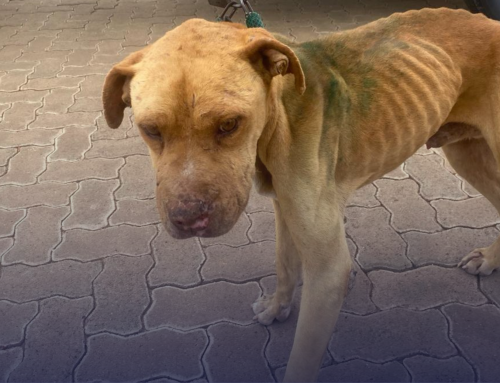
The dog, later named Siyabonga, was found to have injuries consistent with impact to the head, alongside signs of neglect and prior trauma. Following its investigation, the NSPCA tracked Mr Mhlongo through information relating to a vehicle and provided the relevant evidence and information to the prosecuting authorities
The NSPCA respects the judicial process, however we are deeply disappointed by the outcome. Not only did the NSPCA track the suspect and provide the information to the prosecuting authority, but the case was supported by direct eyewitness testimony, corroborating evidence from the rescuer, and a veterinary assessment. The threshold for a Section 174 discharge does not require the State to have failed on the facts; it requires only that the court find no reasonable basis on which a conviction could follow from the evidence as led. That the State’s case did not clear this threshold, despite the weight of the evidence gathered, raises questions about how animal cruelty cases are prosecuted and presented in court.
Siyabonga has recovered well since the incident. He received veterinary treatment, was vaccinated and sterilised, and remains in a place of safety, under the loving eye of an NSPCA Inspector.
The NSPCA remains committed to pursuing cases of animal cruelty through to their conclusion and to working closely with the prosecuting authorities to ensure that evidence gathered in the field is effectively presented and translated into meaningful justice in our courts.
If you are as passionate about animals and their well-being as we are, consider supporting our causes by donating.
Latest News Posts

Will You Be the One Who Takes Action?
Most people will scroll past this. But will you be the one who stands up for animals?
Animal welfare isn’t always in the spotlight, but it changes lives – for every neglected, abused, or suffering animal we help. Our teams work tirelessly, often behind the scenes, ensuring animals across South Africa are protected.
This work is relentless. The challenges are immense. But with more hands, hearts, and resources, we can do even more.
The equation is simple: the more supporters we have, the greater our reach, the stronger our impact.
Be part of the change. Become an NSPCA Project Partner today. From just R50 per month, you can help ensure that no animal suffers in silence.